Standard power point
~2.4 kW
~15km / hr
The cable that came with the car. Fine in an emergency, impractical as your daily method.
About 120km in 8 hours

EV charging
A home charger turns your roof into the cheapest fuel you will ever buy. Set up properly, it waits for your solar surplus instead of pulling from the grid at peak rates.
EV owners who want to charge at home during the day on their own solar. An add-on to solar and battery rather than a trade on its own.
A wall charger adds range about three times faster than a powerpoint. Charge in daylight and the car runs on power you generated rather than power you bought.
Example at 6 km per kWh. Three-phase needs a three-phase supply, and many cars accept up to 11kW, so your car’s onboard charger sets the real speed as much as the charger on the wall does.
What it costs
Your roof, your switchboard, your access and the size you actually need all move the number, so we price it properly rather than publish a figure we would have to revise. You get a fixed, itemised quote with every incentive already deducted.
What may apply to this
Federal · both states
Chargers do not attract certificates. Presented as an add-on to solar and battery rather than a standalone trade.
No amounts, on purpose: they change, sometimes mid-year. We confirm your actual entitlement in writing and show it as a deducted line on your quote.
The unit on the wall is the easy part. What determines whether the install goes smoothly is your switchboard: its spare capacity, whether it needs an upgrade, the cable run to where the car parks, and what your distributor allows on your connection.
We check all of that before quoting, so the number you get is the number you pay. And if you have solar, we configure the charger to prioritise your surplus, which is the difference between charging cheaply and simply charging at home.
Switchboard capacity assessed before we quote
Single-phase 7kW or three-phase 22kW, matched to your supply
Solar-aware charging so the car soaks up your surplus
Installed and certified by licensed electricians

Included
7kW and 22kW
Charging speed
A standard power point technically charges an EV. It just takes most of a weekend to do what a proper charger does overnight.
~2.4 kW
~15km / hr
The cable that came with the car. Fine in an emergency, impractical as your daily method.
About 120km in 8 hours
7 kW
~43km / hr
The right answer for most homes. Refills a normal day's driving several times over while you sleep.
About 340km in 8 hours
22 kW
~135km / hr
Only worth it if your supply is three-phase and your car can accept it. Many cannot.
Full charge, most vehicles
Approximate range added per hour for a typical EV using roughly 16kWh per 100km. Your car's onboard charger, battery state and the weather all change the real figure.
Most EVs cap their own AC charging below 22kW, so a three-phase charger does not always mean three-phase speed. We check your car before recommending one.
What you get
Configured to charge from surplus generation first, so you use your own power rather than importing at peak.
Single-phase suits most homes and adds plenty of range overnight. Three-phase 22kW is there if your supply and car support it.
Capacity and protection assessed before the quote, so an upgrade is priced up front rather than sprung on you.
Routed and finished properly, including through garages, along eaves or underground to a carport.
Set it to run on your off-peak window or your solar window, and leave it to manage itself.
Installed by licensed electricians with a certificate of electrical safety issued on completion.
FAQ
Still unsure? Send us your address and a recent bill, and you'll get honest numbers, not a hard sell.
Get a Free QuoteA 7kW single-phase charger adds roughly 40km of range per hour for most vehicles, which comfortably refills a typical daily commute overnight. A 22kW three-phase unit is faster, but only if both your supply and your car support three-phase charging.
Sometimes. It depends on your board's age, spare capacity and existing protection. We assess it before quoting, so if an upgrade is needed it appears in the original price rather than as a variation later.
Yes. Solar-aware chargers can prioritise surplus generation, so the car charges on what your roof is producing rather than importing from the grid. It is the single biggest factor in what home charging actually costs you.
Absolutely. Plenty of customers start with the charger and add solar later. Scheduled charging on an off-peak tariff still beats public fast charging on cost.
The chargers we install use the Type 2 connector, which is the standard for every EV sold new in Australia. If you drive an older import with a different connector, tell us and we will confirm compatibility first.
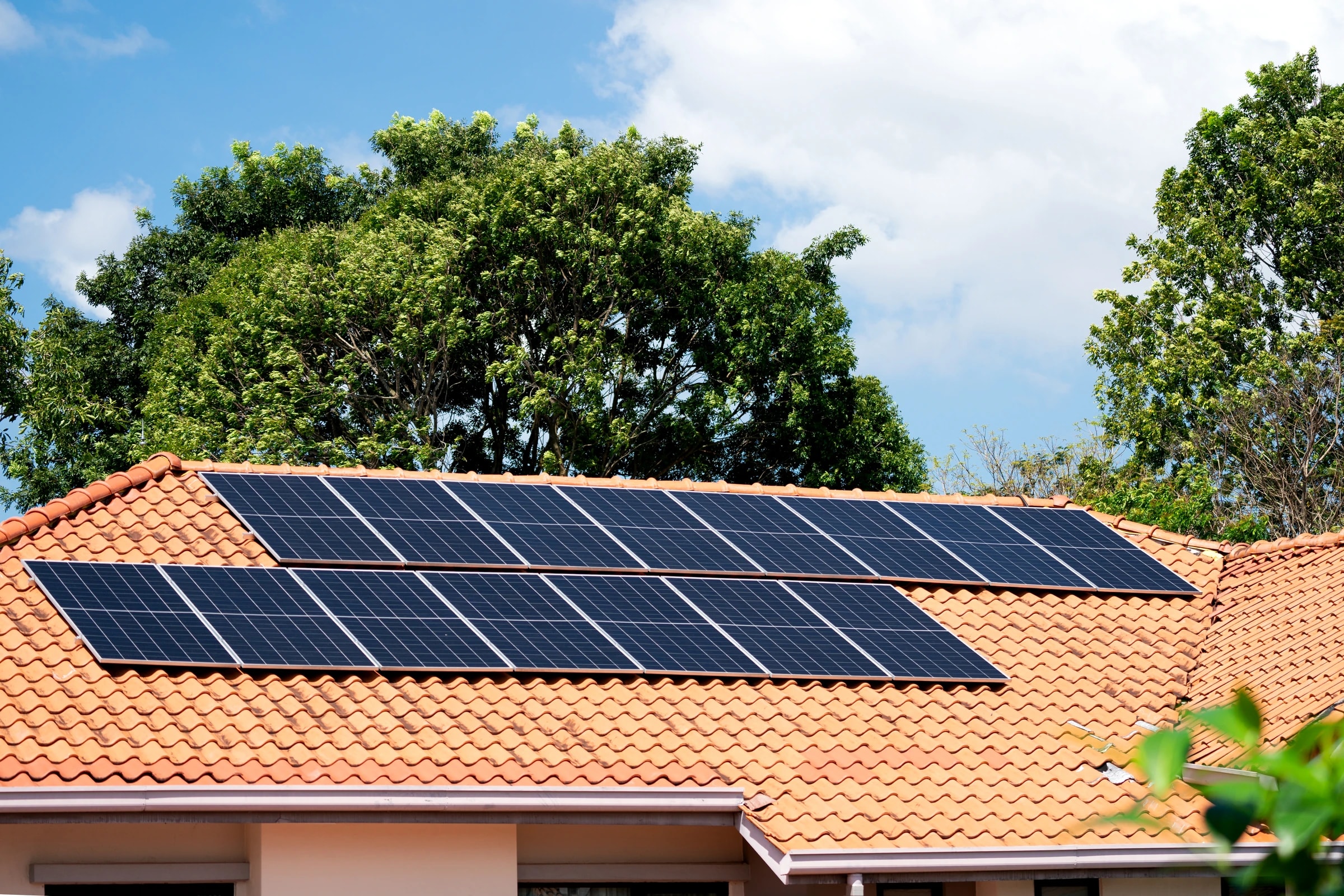
Rooftop systems sized to your home and your bill, from 5kW to 15kW, with a battery-ready inverter so storage can come later.
Explore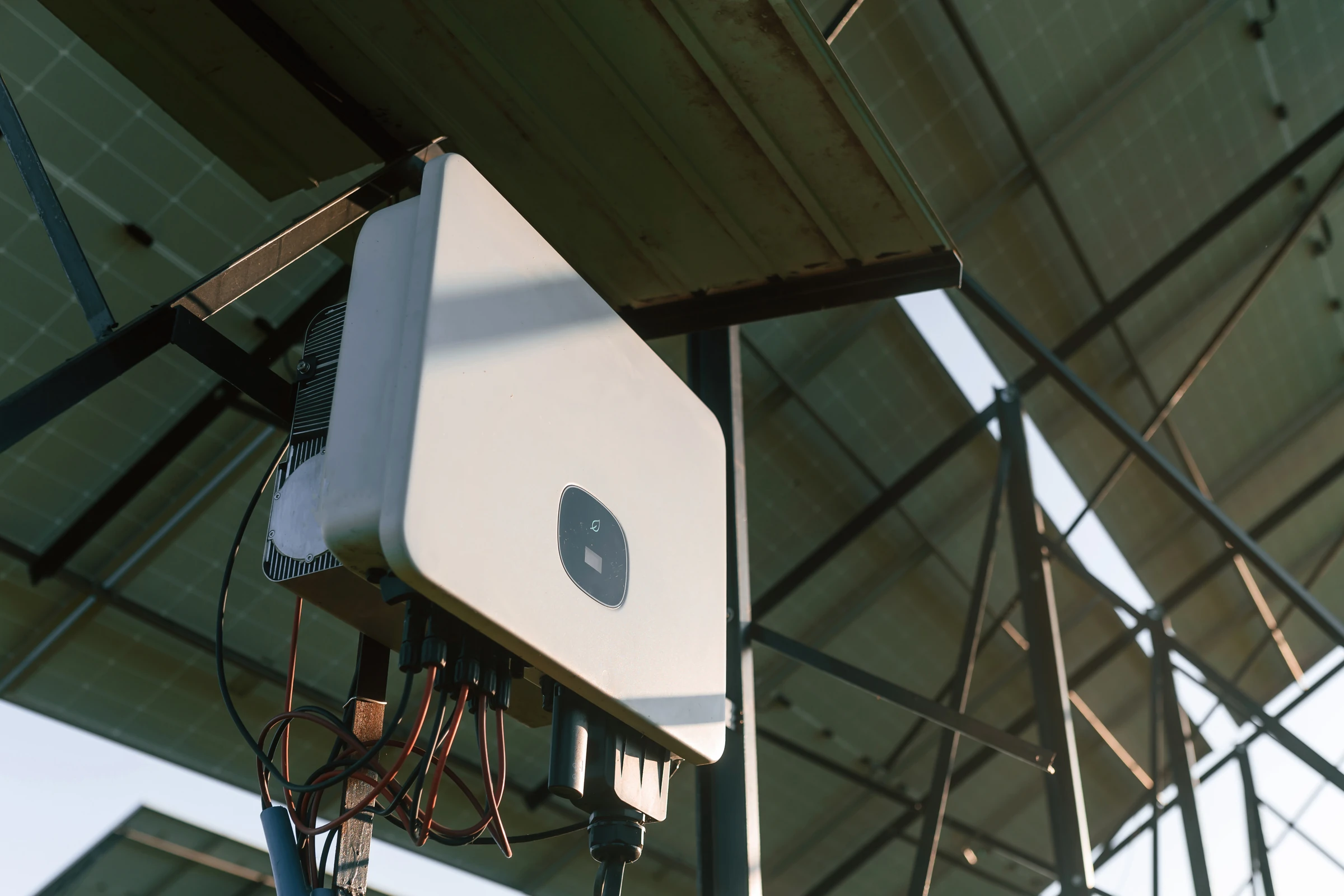
Without storage, most households export the bulk of what they generate at a low feed-in rate, then buy power back at peak prices after dark. A battery closes that gap.
Explore
Energy is one of the few operating costs you can permanently reduce with a single capital decision. We model it properly before you commit a cent.
ExploreGet started
Send us your address and a recent bill. Here is exactly what comes back.