Any brand, any installer
We work on systems we installed and systems we did not. You do not need to find whoever put it in.
Inverter repair
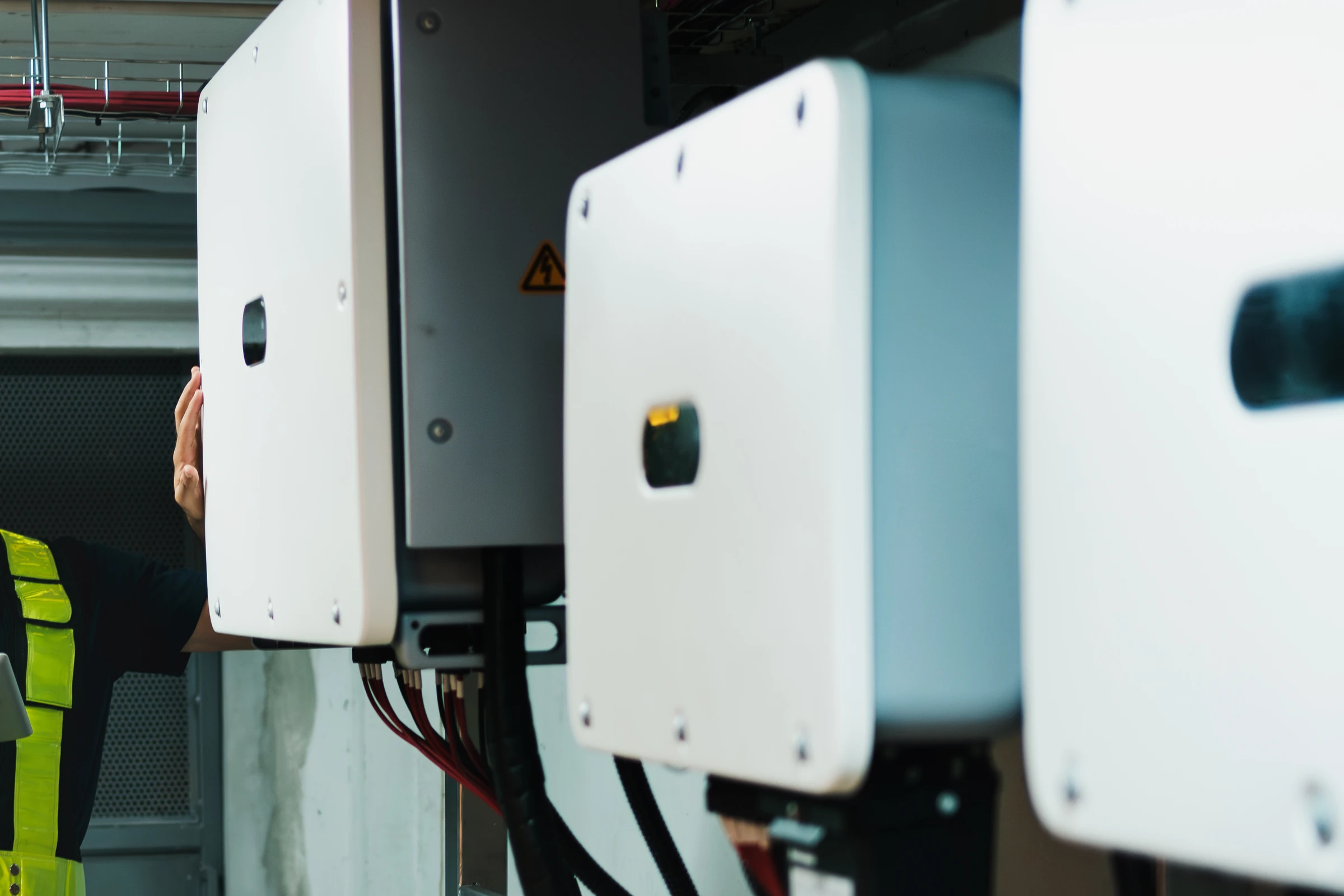
An inverter is the hardest-working part of a solar system and the one most likely to stop. Repair is often possible; replacement is sometimes smarter. We tell you which.
Anyone whose inverter is faulting, has failed, or is old enough to be worth replacing deliberately.
Quote
Design from your roof and your bill, with every incentive itemised.
Send a recent bill, then accept the quote.
Approvals
Request network approval and prepare the incentive paperwork.
VIC: confirm Solar Victoria eligibility before install. Optional: apply for 0% finance.
Install
SAA-accredited install, testing and commissioning.
Give site access on the day.
Connect
Lodge the compliance certificate and arrange the meter change.
Choose a feed-in plan with your retailer.
Handover
App set-up, warranties and certificates in one pack.
Keep the app online so problems are spotted early.
Steps and timing vary by state, network and system. Your quote confirms them.
What it costs
Your roof, your switchboard, your access and the size you actually need all move the number, so we price it properly rather than publish a figure we would have to revise. You get a fixed, itemised quote with every incentive already deducted.
What may apply to this
Federal · both states
A like-for-like inverter swap generally does not create new certificates. Adding capacity at the same time can. We check before quoting.
No amounts, on purpose: they change, sometimes mid-year. We confirm your actual entitlement in writing and show it as a deducted line on your quote.
Is it the inverter?
Most inverter faults announce themselves before they stop the system entirely. Here is how to read them, so you can tell us something useful when you call.
The inverter has detected a fault and shut itself down, or is running in a limited mode. The code itself tells us a lot, so photograph it before you call.
Often a failing DC input or a dying capacitor. The system still runs, so it is easy to miss for months unless you check your monitoring.
Usually overheating or a grid voltage issue. Peak generation is when the inverter works hardest, so that is when a marginal unit gives up.
Cooling is struggling. Sometimes it is just placement or dust, sometimes it is the beginning of the end. Worth inspecting either way.
Either the unit has failed completely or its isolator has tripped. Check the isolator first; if it trips again, stop and call rather than resetting repeatedly.
If your system is under ten years old, check the warranty before replacing anything. We will do that for you, and we would rather claim it than sell you a unit you are still covered for.
Panels routinely outlast the inverter attached to them. When yours starts faulting, the honest question is whether a repair buys you years or months, and that depends on the fault, the age and whether parts still exist for the model.
We test the panels, isolators, wiring, inverter and battery, then tell you plainly which of the three answers applies. If replacement is the right call, it is also the moment to decide whether to go battery-ready, because doing it twice costs more than doing it once.
We test the whole system, not just the box that is complaining
Repair where parts and age support it, replacement where they do not
Firmware and monitoring app updated and demonstrated before we leave
A written report, with any further work quoted rather than assumed
Included
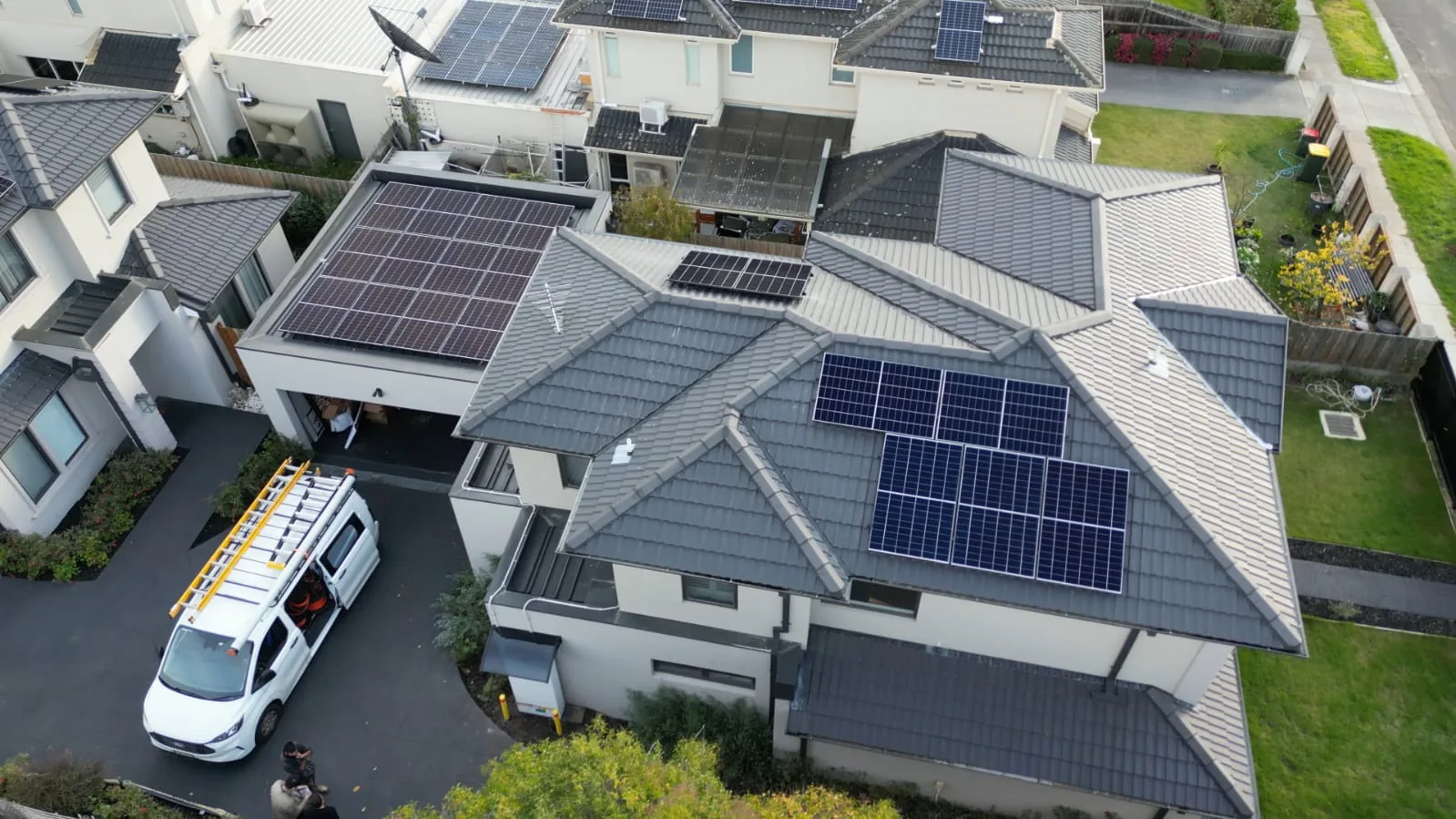
Any brand
What you get
We work on systems we installed and systems we did not. You do not need to find whoever put it in.
We find the actual fault first. Replacing an inverter that was not the problem is an expensive way to not fix anything.
If the unit is being changed anyway, a hybrid inverter costs little more now and saves a second job later.
Updated and working before we leave, because an inverter you cannot monitor is one that fails quietly next time.
What we found, what we did, and anything else worth watching, in writing rather than mentioned at the van.
If the unit is still in its manufacturer warranty, we deal with the claim rather than leaving it with you.
FAQ
Still unsure? Send us your address and a recent bill, and you'll get honest numbers, not a hard sell.
Get a Free QuoteThe usual signs are a red or flashing fault light, no output on a sunny day, the monitoring app showing nothing or showing zeros, or an error code on the display. Any of those is worth a call before it becomes a longer outage.
It depends on the fault, the age and whether parts are still made. A five-year-old unit with a known fault is often worth repairing. A twelve-year-old one with no parts available is not. We tell you which you have.
Yes, most of this work is on other people's installations. We will tell you honestly what we find, including when the original work was done well.
A like-for-like replacement generally does not create new certificates, and it does not take away the discount already applied to the original install. If you add capacity at the same time, that part may qualify. We check before quoting.
Usually a day or less once the part is on hand. The waiting time is normally parts availability rather than labour, and we tell you that timeline up front.
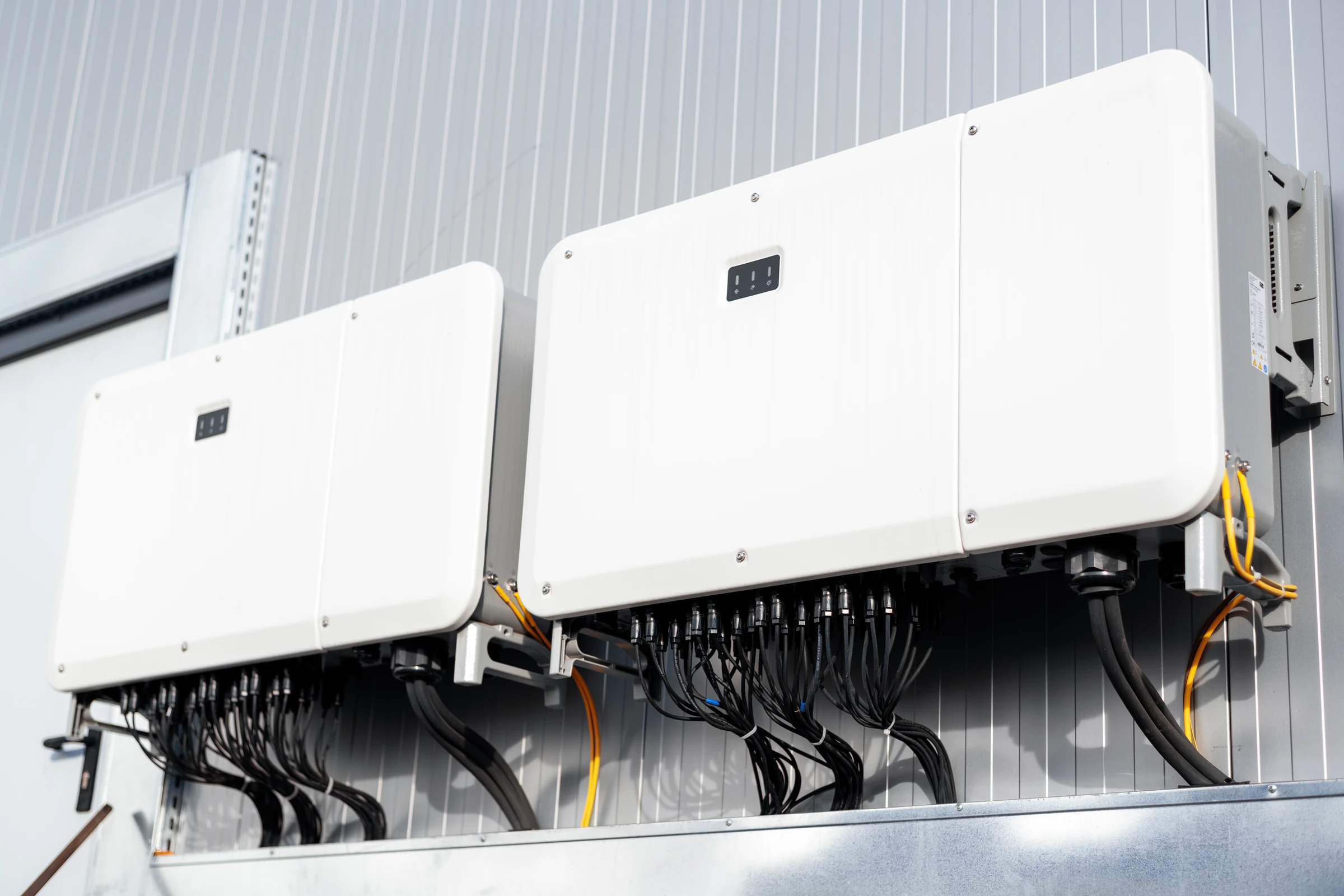
Most solar faults are quiet. We test the panels, isolators, wiring, inverter and battery, and give you a written report.
Explore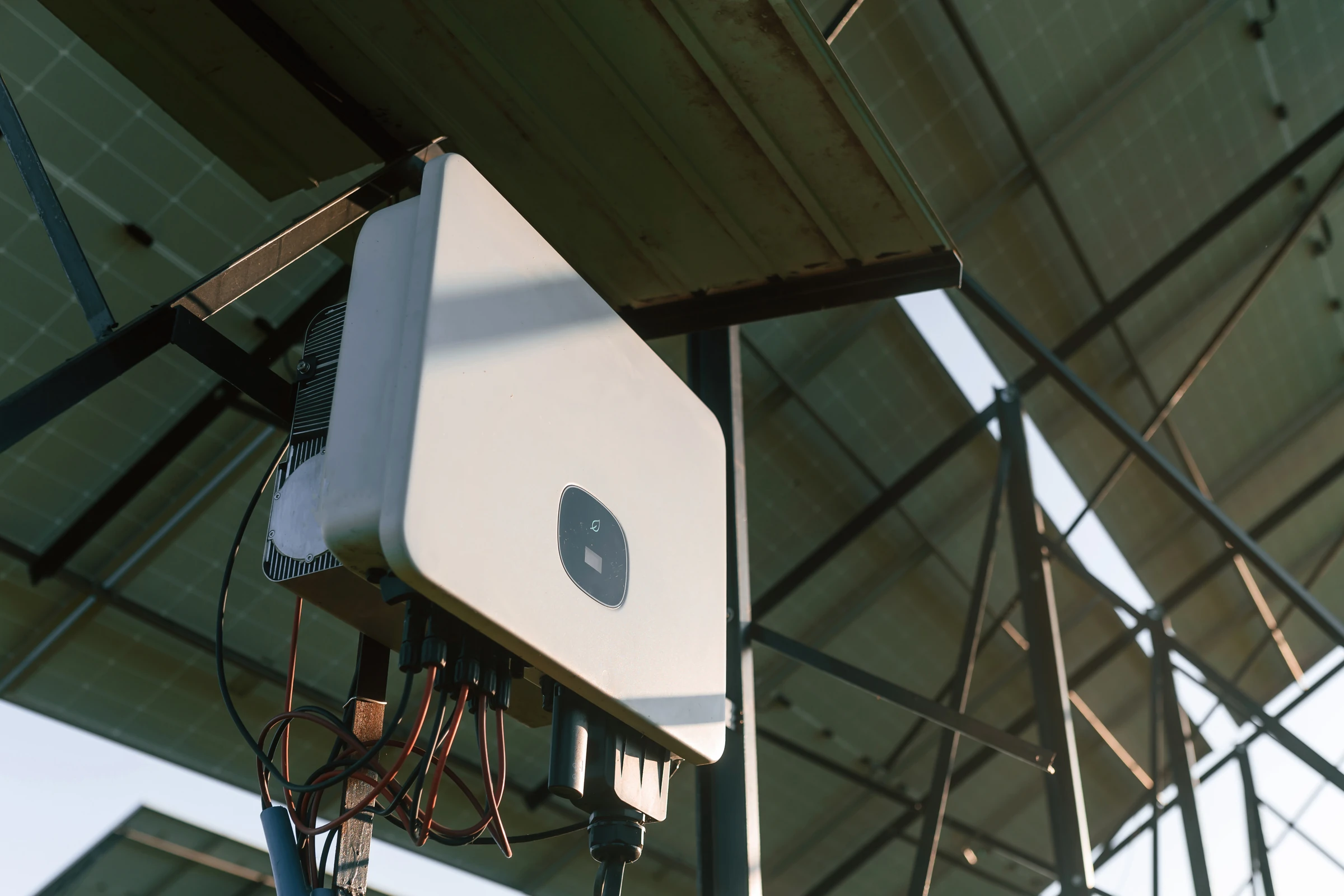
Already have panels? We check your inverter, switchboard and usage, then add storage sized to your evenings.
Explore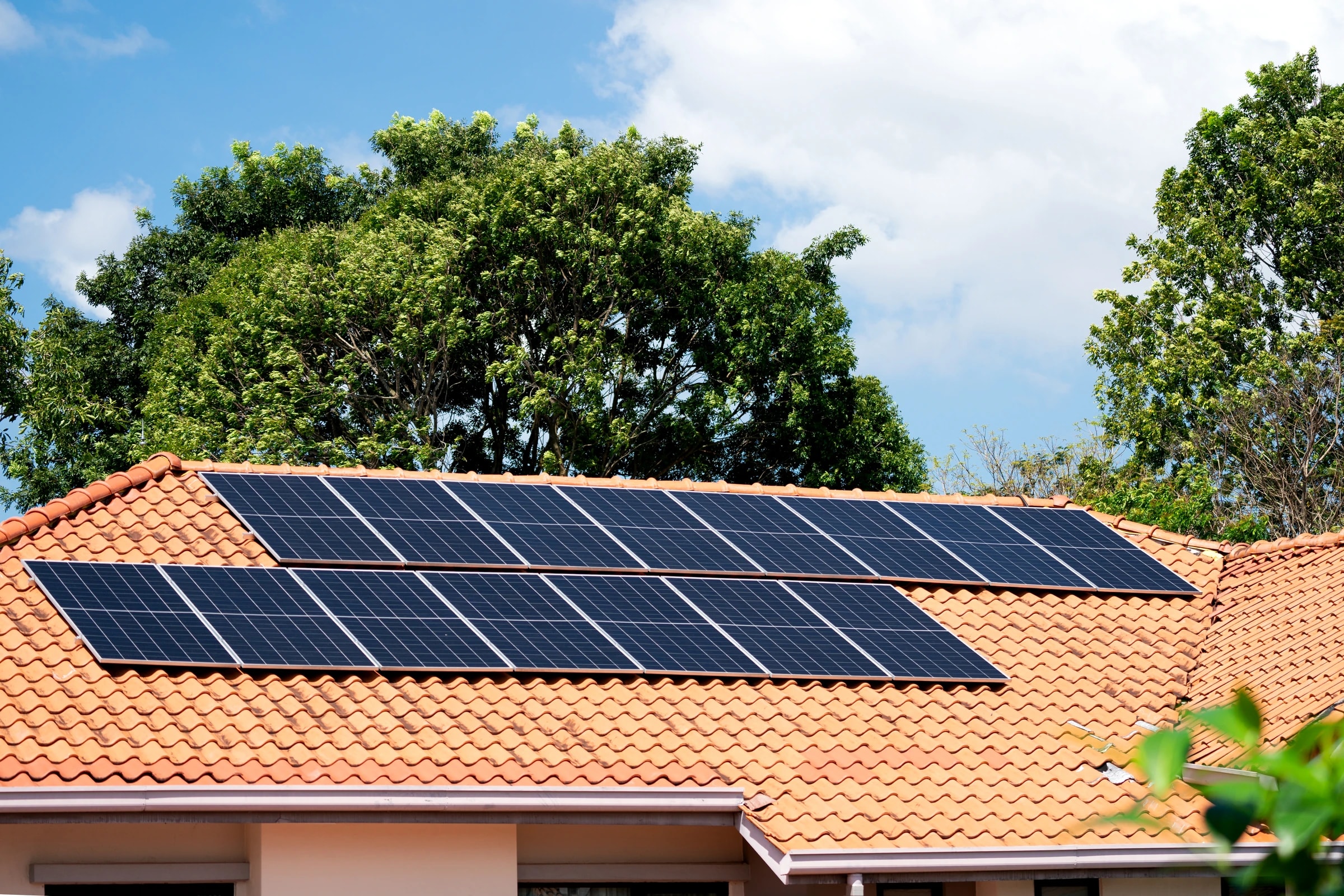
Rooftop systems sized to your home and your bill, from 5kW to 15kW, with a battery-ready inverter so storage can come later.
ExploreGet started
Send us your address and a recent bill. Here is exactly what comes back.