Honest sizing
We will tell you when a smaller system is the better buy. Oversizing is the most common way households lose money on solar.
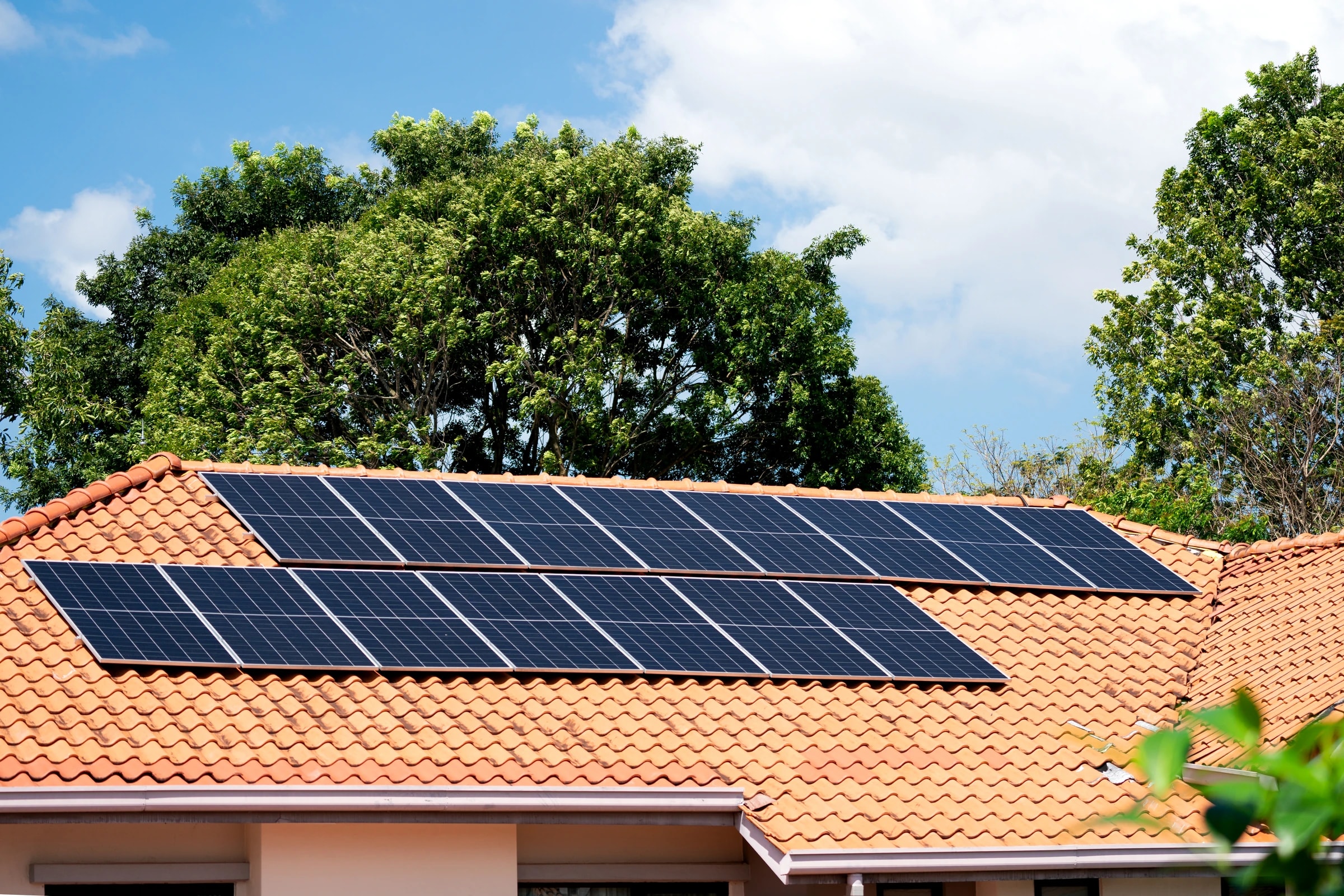
Residential solar
Most quotes start with a system and work backwards. We start with your roof, your bill and how your household actually uses power, then design around that.
Homeowners with daytime usage and a roof that gets sun for most of the day.
Panels generate, the inverter converts, and your home runs on it. Whatever the house does not use charges the battery, and anything still spare is exported to the grid.
Line colour shows where the energy came from
An illustration of how a system behaves, not a live reading from your home.
What it costs
Your roof, your switchboard, your access and the size you actually need all move the number, so we price it properly rather than publish a figure we would have to revise. You get a fixed, itemised quote with every incentive already deducted.
What may apply to this
Federal · both states
A discount on eligible solar at the point of sale, sized by system and location.
Victoria
Household eligibility and limited rounds apply. You confirm eligibility before install.
Optional and separate from the rebate. A loan, repaid over its term, not a discount.
No amounts, on purpose: they change, sometimes mid-year. We confirm your actual entitlement in writing and show it as a deducted line on your quote.
A solar system that is too small leaves money on the roof. One that is too big exports power for a few cents a kilowatt hour that you paid a lot more to generate. The right size sits between the two, and it depends on when your household actually draws power.
We read your last bill, look at your roof's orientation, pitch and shading, and size the system to match. You get a fixed, itemised proposal showing panel count, output, expected yearly savings and every rebate applied before the number you pay.
Panel layout modelled on your actual roof, not a generic template
Tier-1 panels from Jinko Solar, Longi, Risen, Sunman and Boss Solar
Federal STCs and Solar Victoria rebates claimed for you
Monitoring set up before we leave, so you can see every kilowatt
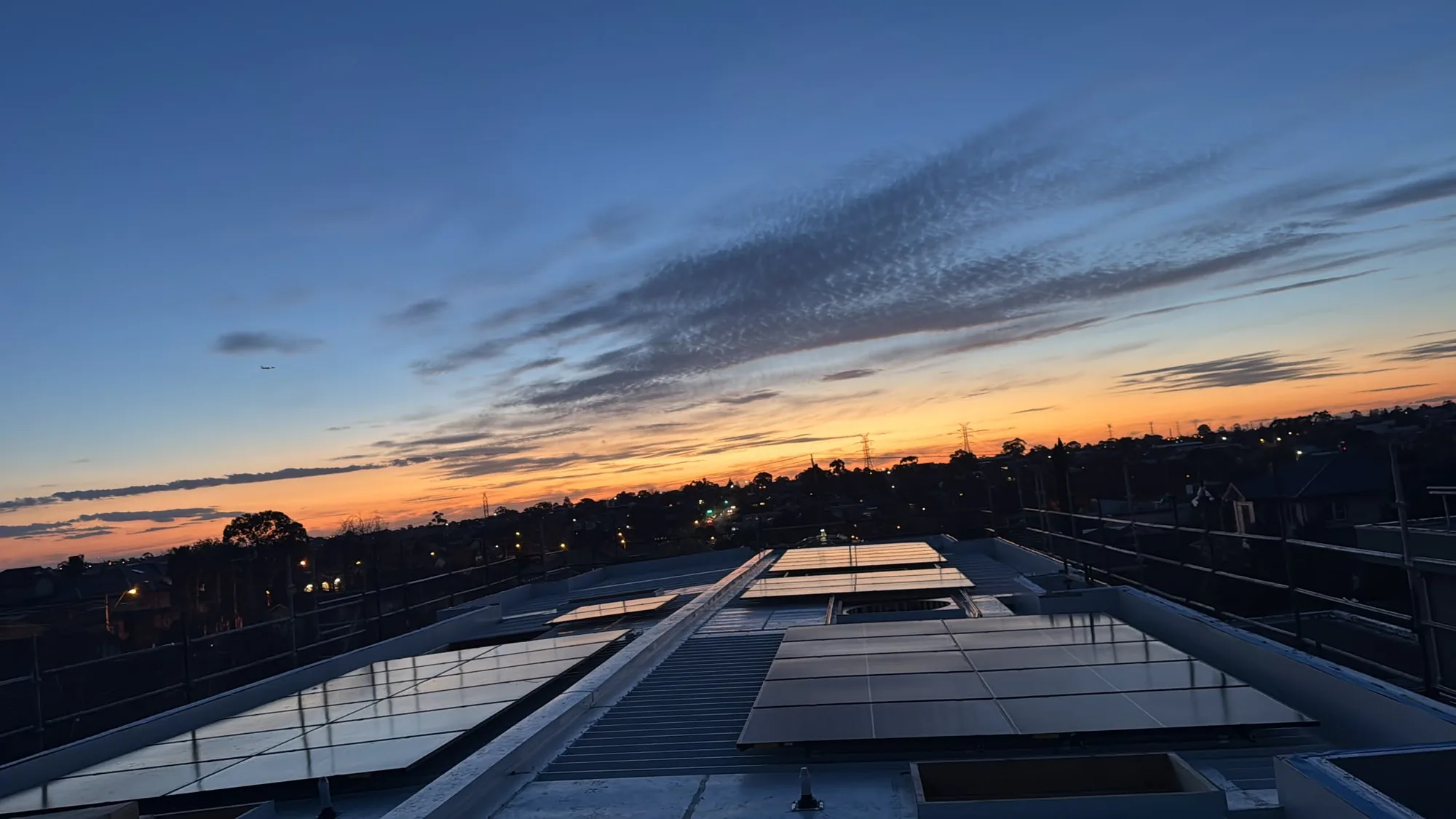
Included
5kW to 15kW
Compare the range
Panel counts and roof space are arithmetic from 440W modules. Which one is right for you comes from your bill, not this table.
Units, townhouses and smaller households
The typical three to four person household
Larger homes, pools, ducted systems and EVs
High-consumption homes and small premises
Small business premises and very large homes
What you get
We will tell you when a smaller system is the better buy. Oversizing is the most common way households lose money on solar.
One number, broken down line by line, with rebates already deducted. No ranges and no revisions after the deposit.
Every job is signed off by an SAA-accredited installer, tidy and usually done in a single day.
Federal STCs and Solar Victoria paperwork are filed by us. You see the discounted price, not the admin.
If storage is on your horizon, we specify an inverter that will take a battery later without replacing it.
Monitoring, performance checks and a local team that still answers the phone two years in.
FAQ
Still unsure? Send us your address and a recent bill, and you'll get honest numbers, not a hard sell.
Get a Free QuoteIt depends on your daily usage and when you use it, not just your roof size. As a rough guide, a 6.6kW system suits most smaller households, while homes with air conditioning, a pool or an EV usually need 10kW or more. We size it from your actual bill rather than guessing.
Most residential installs are completed in a single day once the system is designed and approved. We confirm the exact date in your proposal and turn up when we say we will.
Most roofs are suitable. North-facing pitches produce the most, but east and west split arrays work well for households that use power in the morning and evening. Heavy shading is the main limiting factor, and we will tell you honestly if your roof is a poor candidate.
No. Plenty of households start with panels and add storage later. We will specify a battery-ready inverter so that upgrade does not mean replacing equipment you just bought.
The manufacturer's own warranties, listed on your quote against the exact models supplied, with product cover and performance cover shown separately. Panels run up to a 25-year performance warranty and batteries carry a 10-year product warranty.
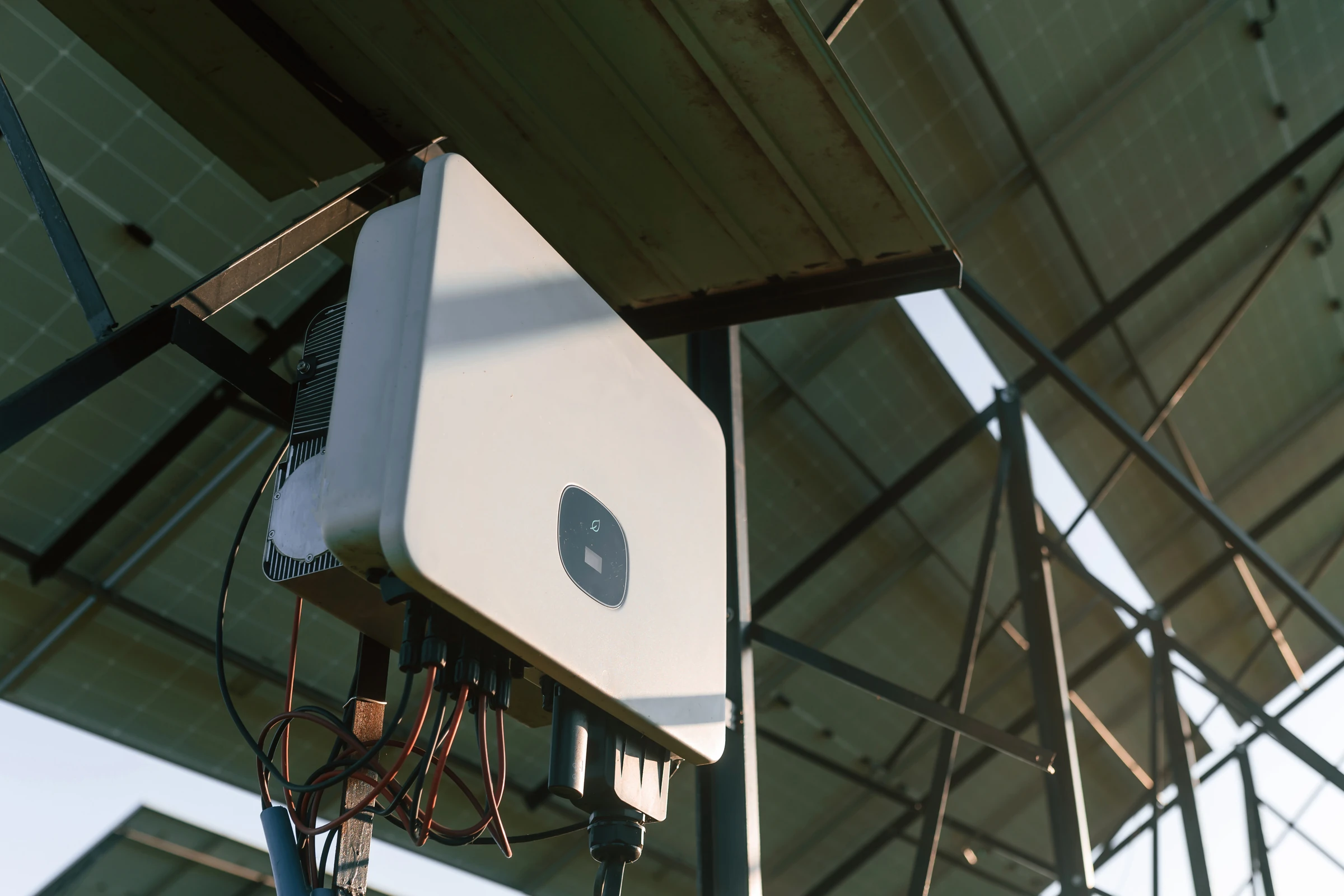
Without storage, most households export the bulk of what they generate at a low feed-in rate, then buy power back at peak prices after dark. A battery closes that gap.
Explore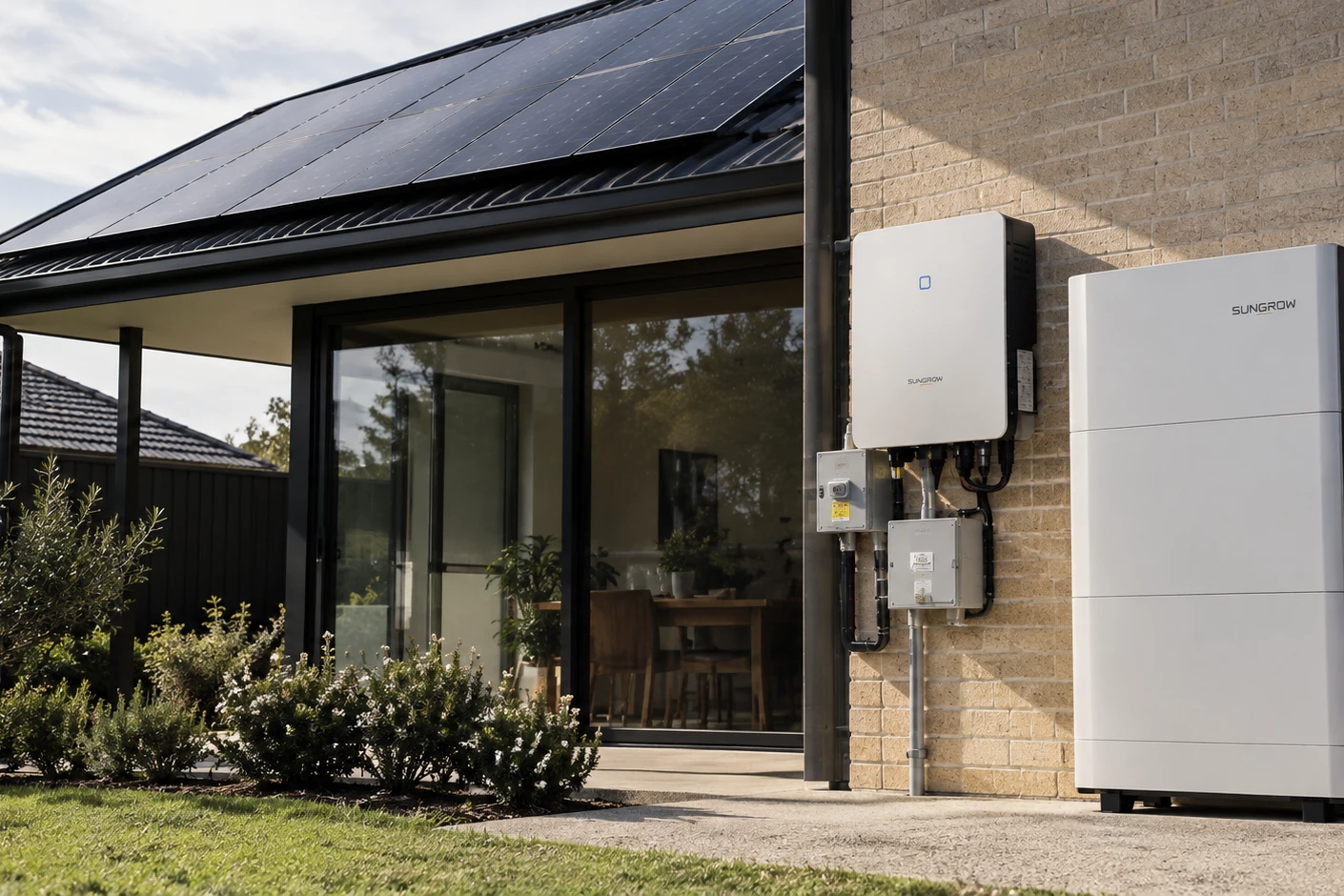
The complete setup, installed in one visit. Panels, inverter and storage at one fixed price with every incentive already deducted.
Explore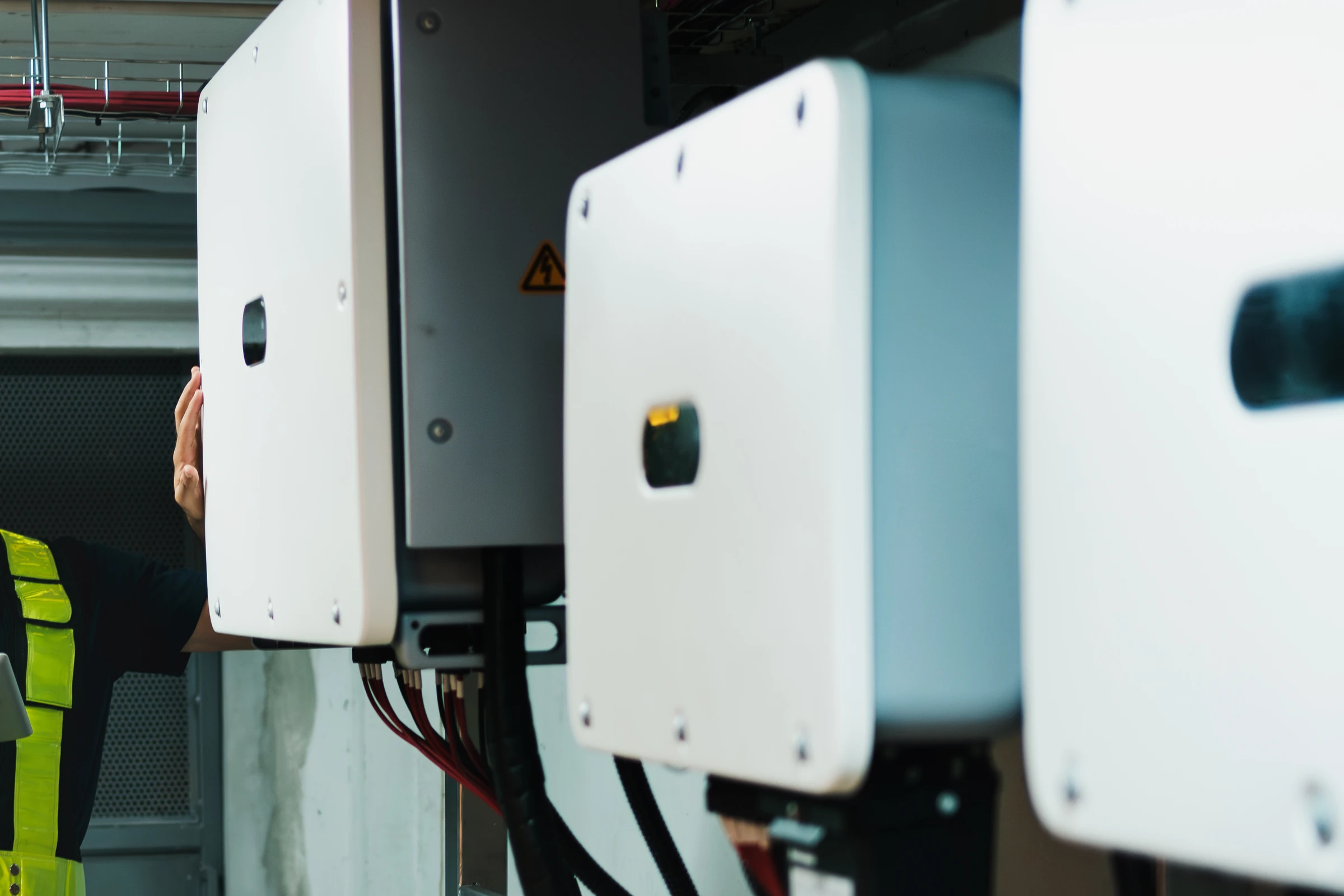
The part that fails first. We test, repair or replace it, any brand, on systems we installed and systems we did not.
ExploreGet started
Send us your address and a recent bill. Here is exactly what comes back.